A never ending stream of artistic and cultural consciousness brought to you by T.S. Williams BKA Fae.

  • By T.S. Williams for insidemyweedbag.blog

    What is personal style and how exactly is it developed?

    What is personal style?

    Before getting into how one would even begin to develop their personal style, let’s take a dive into what personal style is. Personal style would be described by most people as how someone dresses or puts their garments together, but in my opinion, it is deeper than that. It is the way you express your personhood to the world, a compilation of your interests, quirks, and lifestyle. It encapsulates not just how we present ourselves but also the messages we convey about who we are without saying a single word. How many times have you been out and seen someone dressed in a way that clearly indicates, at minimum, what they like and what they do for work or for fun? I’m sure it’s been plenty. A perfect example I can recall is when I was in the store, and the cashier told me I look like a teacher; now she didn’t know this at the time, but I had just gotten off my job working in education. It made me reflect on how our outfits can embody our daily lives, our choices, and sometimes even our aspirations. When looking at my outfit later, I realized that the inspiration for this essay hinges on the observation that our outfits and the way we dress say a lot more about us than where we get our clothes from. They can tell stories of our journeys, symbolize our values, and even serve as conversation starters, making personal style an essential aspect of our identity that deserves thoughtful cultivation.

    My personal style and its origins

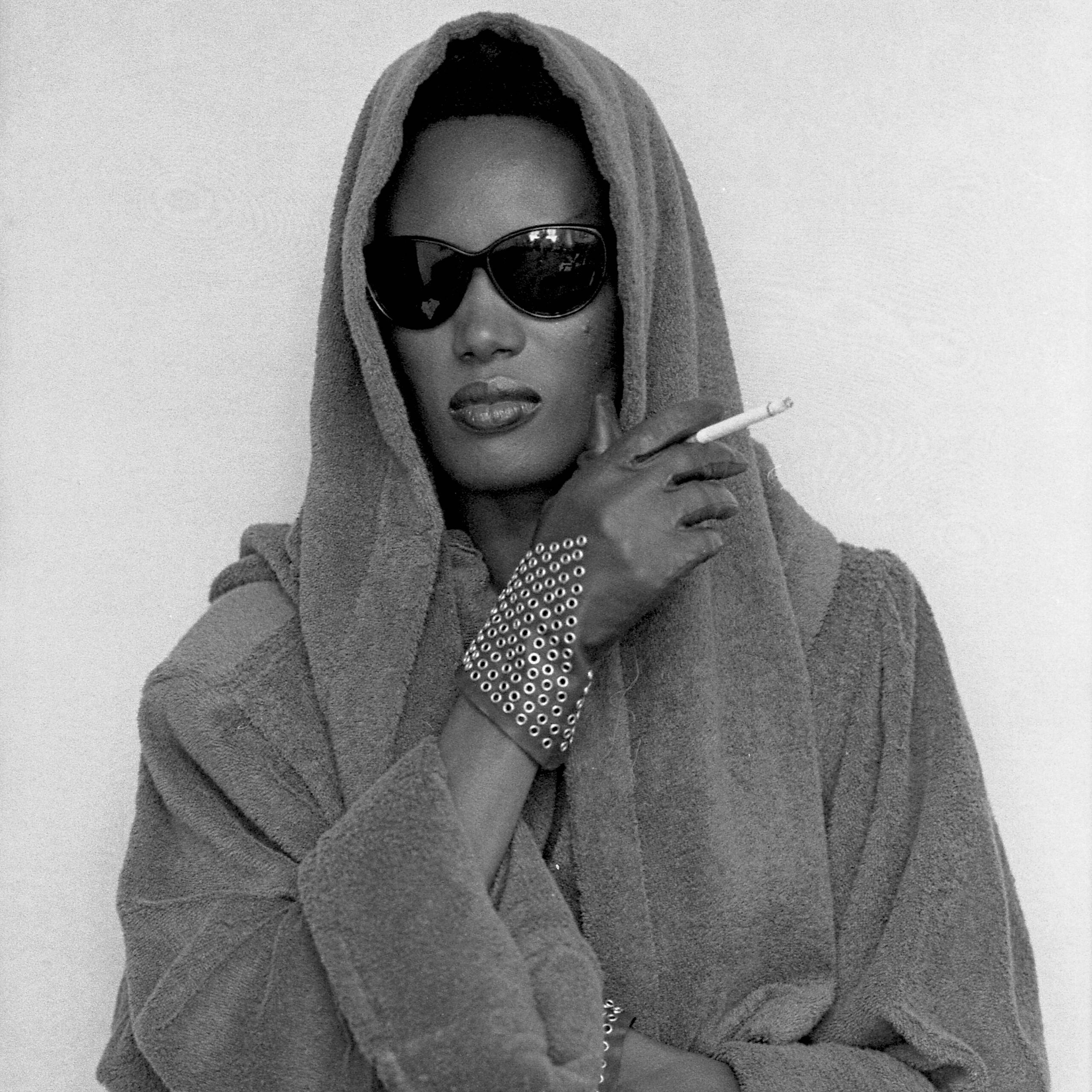
    Now my personal style is a hodgepodge of my consistent favorites as well as my lifestyle along with sexuality. I am Gothic and have been since about college; however, I also grew up in Church in the South, so there is a modest element to my style, which reflects my upbringing. This juxtaposition creates a unique blend that I cherish, making me feel both rebellious and rooted. I am a lover of all things vintage, so I find my personal style lending itself to more vintage shapes and styles, often incorporating pieces from different eras that speak to my soul.

    My style, as described by friends, has been likened to if Betty Davis and Billie Holiday had a baby and let Kelis raise her—an intriguing fusion of glamour and grit. Think of it as a very 90s Kinderwhore Rockstar meets vintage jazz starlet, where each outfit tells a story of empowerment and creativity. As a queer woman of many years, my style is hyper-feminine but not in the traditional sense; it’s an embodiment of my identity and beliefs. This expression manifests in my choice of fabrics and colors, where black dominates but is playfully punctuated with deep jewel tones and bold prints that talk to the eclectic lineage of fashion I embrace.

    I wear lots of black, mostly opting for skirts as my favorite bottoms that flow elegantly as I move. These skirts come in various textures—sheer, lace, or velvet—that add depth to my outfits. My daily shoe choices reflect both comfort and style, leaning towards Mary Janes or flats that allow me to express my unique flair, while remaining practical for my day-to-day life. Additionally, I adorn myself exclusively with gold or bronze jewelry, as these warm tones complement my aesthetic beautifully, adding a touch of shine to my overall look while remaining true to my Gothic roots.

    When asked, I describe my style as ‘Southern Gothic’, a mix of my Southern Baptist upbringing and my Gothic art taste. To me, the southern small church aesthetic has always had a dark kind of Gothic vibe; the wooden pews and the natural lighting cast in by the stained glass windows create such an eerie, yet beautiful atmosphere. The host of religious regalia strikes me as a vivid contrast to my own beliefs, but I find it enriching in its complexity. It offers a glimpse into a world of forgotten charm, a place where tradition meets rebellion. This aesthetic serves as a backdrop to my identity, reflecting both the darkness I adore and the light of my upbringing, captured in the reverence of sacred spaces that still resonate with me today. Each element of my style is a thread woven into the larger tapestry of who I am, capturing the essence of my journey as a Southern Gothic woman in a vibrant and ever-evolving world.

    How to develop your personal style

    I’d honestly recommend starting small in building a more authentic personal sense of style for yourself. You don’t want this to feel like a chore nor like work clothes shopping with your mother (you know what I mean, first job vibes). First, think about who you are and how you like to be perceived; this is essential, as personal style is a reflection of your individuality. Take a moment to explore and consider the aspects of your personality that you want to express through your clothing. Also include your interests personally and fashion-wise, even if it’s just small things like polka dots or a color palette. Additionally, don’t shy away from experimenting with different textures and patterns that resonate with you; remember that personal style is an ongoing journey of discovery. By allowing yourself to play with various styles, you can gradually refine and develop a wardrobe that truly feels like it represents who you are.

    Start with going through your current wardrobe of clothes and take inventory of them. Go through and see what these clothes tell you about yourself, then ask yourself if that message is the one you want the general public receiving. If your answer is yes, you’re in luck; you already have a general sense of personal style that you need to develop and refine even further, exploring how to elevate your look with unique accessories or complementary pieces. If your answer is no, go through and decide what pieces don’t send the message you want, throw them out. Prior to throwing them out, however, take a moment to reflect on what you want to look like moving forward. Visualize your ideal style and the impression you wish to convey to the world. Once this decision has been made, go on Pinterest or Google Images and begin sourcing images that will help you identify what pieces you’d like to replace them with, creating a mood board that inspires you and encapsulates your desired aesthetic. This will serve as valuable guidance during your shopping trips. Now, before you run to Shein, please know this doesn’t have to be done in all one haul. Largely in my experience, these hauls result in a large amount of clothes you don’t even end up wearing as you bought them for the thrill and less for the style. Instead, consider taking your time and making small, intentional purchases; this approach allows you to thoughtfully assess how each new piece integrates into your existing wardrobe while ensuring it aligns with your ultimate style goals.

    Another major tip I would recommend is, BE REALISTIC. Not just in what you will actually wear but also about your body type, lifestyle, and job as well. Understanding your unique body shape is crucial; it helps you identify which styles accentuate your best features while offering comfort. I know we’ve always been told to dress for the job you want, but the same doesn’t apply for bodies; love the body you have and dress for it. Our bodies come in various shapes and sizes, and embracing them is essential for building confidence.

    Now, that’s not to say don’t wear what you want, but a lot of people don’t know how to dress for their body because they are not objective about what it even looks like. This lack of objectivity often leads to frustration when trying on clothes that simply don’t fit or flatter. Taking the time to experiment with different cuts, colors, and fabrics can lead to discovering the styles that truly resonate with you.

    Consider creating a little fashion experiment for yourself. Dedicate some time to try on various outfits in different settings. Look for pieces that you might typically overlook; sometimes, the most unexpected items can surprise you with how well they fit and enhance your silhouette. Visiting stores with a variety of styles—especially those that cater to diverse body types—can also provide insight into what works for you.

    Additionally, consider seeking advice from friends or professional stylists who can provide an outside perspective on what looks good while still feeling true to yourself. A fresh pair of eyes can often help identify styles that you may not have considered but that enhance your natural beauty. Don’t hesitate to ask questions and take notes on what works and what doesn’t; it’s all part of the journey to finding your personal style.

    Lastly, remember that fashion is not static; it evolves as you do. Your preferences may change as you gain confidence in your body and discover what makes you feel good. Celebrate that evolution and give yourself permission to explore new looks that may resonate with your evolving sense of self. Embracing this aspect of fashion transforms it into not just a way to dress, but a means of self-expression and a celebration of who you are.

    ¶¶¶¶¶

    ¶¶¶¶¶

    ¶¶¶¶¶

    ¶¶¶¶¶

    ¶¶¶¶¶

    ¶¶¶¶¶

    ¶¶¶¶¶

    ¶¶¶¶¶

  • By T.S. Williams for insidemyweedbag

    Argument

    The subject of culture vultures as well as the true difference between appreciation and appropriation of a culture is an important and often sensitive topic. There has been speculation amongst the diaspora that Black Americans have no culture, but if this is or was true, who are ‘they’ not like? More importantly, who are ‘they’? In discussing this, it becomes evident that the assertion that Black Americans have no culture is rooted in misunderstanding and misrepresentation started in anti-blackness. Black American culture is rich and diverse, encompassing a wide array of traditions, music, art, cuisine, and more. From the Harlem Renaissance to the influence of Hip-hop culture along with Rhythm & Blues, the cultural tapestry of Black America is woven with resilience, creativity, and contribution to the global cultural landscape. Exploring the “they” in this context leads to a crucial examination of societal narratives and biases. It prompts consideration of who holds the power to define and shape cultural narratives, and how these narratives intersect with systems of privilege and marginalization. By delving into these discussions, we aim to deepen our understanding of the complexities of cultural identity and representation, fostering greater empathy and respect in our interactions with diverse cultures.

    These questions provoke a deep dive into the complexities of cultural identity and representation. The concept of culture vultures, those who exploit and profit from elements of a culture without respect or understanding, casts a shadow on the dynamics of cultural exchange. On the other hand, the nuanced distinction between cultural appreciation and appropriation requires thoughtful reflection and awareness of power dynamics and historical context.

    Ultimately, these conversations invite us to challenge assumptions, confront historical injustices, and celebrate the diversity of human experience. By engaging in open and respectful dialogue, we can work towards a more inclusive and equitable future where the richness of all cultures is acknowledged and honored. The distinction between appreciation and appropriation of a culture is a crucial aspect of having an informed cultural conversation. According to the Oxford English Dictionary, cultural appropriation is defined as “The unacknowledged or inappropriate adoption of the practices, customs, or aesthetics of one social or ethnic group by members of another (typically dominant) community or society.” This definition highlights the importance of acknowledging and respecting the origin and significance of cultural elements.

    In today’s interconnected world, social media, television programs, and various forms of media provide unprecedented exposure to diverse cultures and traditions. This exposure allows individuals to gain insight into the beauty and uniqueness of people from different backgrounds, offering an opportunity for genuine appreciation. It’s essential to approach this newfound cultural awareness with respect and sensitivity, recognizing that culture is far more than a passing interest – it is intricately woven into the lives, identities, and communities of those who uphold it. By fostering a mindset of genuine appreciation, individuals can celebrate the richness of different cultures while honoring their significance. Embracing diversity in a thoughtful and respectful manner contributes to a more inclusive and understanding global community, where the value of each culture is recognized and upheld.

    The perfect example of APPROPRIATION:

    Journalist, DJ Vlad:

    Journalist or informant? Sir Vlad has shown his hand time and time again, using green artists and struggling artists alike in such a way that they make up the largest percentage of the interviews on his platform. In addition to this, the majority of the questions being asked to these clearly desperate artists are less about their music and their current stage of artistry, yet more questions that detectives would ask during a police interrogation. Thus, my first question becomes relevant: what is the purpose of Vlad’s platform and interviews within hip-hop culture, specifically of course black culture.

    Vlad’s platform and interviews within hip-hop culture, particularly black culture, have been a subject of much debate and scrutiny. The disproportionate representation of inexperienced and struggling artists within the interviews has raised questions about the ethical considerations and true intentions of the platform. It has sparked discussions about whether Vlad is functioning as a genuine journalist shedding light on the realities of the music industry or if his approach resembles more closely that of an informant, exploiting the vulnerabilities of these artists for entertainment and personal gain.

    The pattern of questioning has also come under fire, with many noting that the focus seems to be less on the artistry and musical journey of the artists and more on eliciting potentially controversial or self-incriminating responses. This has led to concerns about the impact of such interviews on the individuals involved and the broader implications for hip-hop culture, particularly in the context of black culture.

    It is crucial to delve deeper into the motivations behind Vlad’s platform and interviews, especially considering their influence and reach within the hip-hop community. Understanding the underlying purpose and impact of these interactions is essential for fostering a more informed and empowered cultural landscape, where artists are respected and their stories are authentically represented. As conversations about representation, ethics, and accountability continue to unfold, it is imperative to critically examine the role of platforms like Vlad’s in shaping the narrative and dynamics of hip-hop culture.

    Now let me be clear in saying that Vlad is not one of one at all; in fact, the reason I’m using him as an example is because he specifically represents a specific type of white hip-hop ‘fan’ who comes into spaces expecting to be treated like a validated expert. This expectation often stems from a misguided belief in his superiority over others, which is fueled by a lack of awareness regarding the rich historical context and cultural nuances of hip-hop. He exhibits a social inept disposition that is not only harmful to those who disagree with him, often dismissing their perspectives with arrogant confidence, but also detrimental to the culture as a whole. By prioritizing his own opinions over the voices of those who have contributed to the genre in meaningful ways, Vlad contributes to a toxic environment that sidelines true fans and artists alike. His behavior serves as a reminder of the challenges that arise when individuals enter a community without a genuine understanding or respect for its foundational values, making it crucial for us to address such dynamics in our discussions about cultural ownership and inclusion.

    Sources

    1. Oxford English Dictionary, s.v. “cultural appropriation (n.),” March 2024, https://doi.org/10.1093/OED/8175480404