
Reviewed by T.S. Williams for insidemyweedbag.blog

I love old movies and believe vintage films are some of the best, especially visually. I wanted to begin a series of recommendations. These recommendations delve into cinematic gems older than both your mother and mine. This nostalgic journey will let me explore a treasure trove of films across various genres and styles. It will highlight the unique charm and artistry of yesteryears. Some of these movies I love dearly. Others are hidden gems I’ve never heard of. Some I’ve seen in passing but don’t remember clearly. Today, I am thrilled to start this series. I will feature a standout favorite of mine. It’s a captivating femme fatale film from 1948 called Blonde Ice. It offers a perfect balance of tension, intrigue, and classic Hollywood glamour. This selection sets the stage for what I hope will be an engaging exploration of vintage cinema. Through each review, I aim to rediscover the brilliance and creativity that filmmakers poured into these masterpieces. I hope to reignite that spark in fellow movie aficionados.
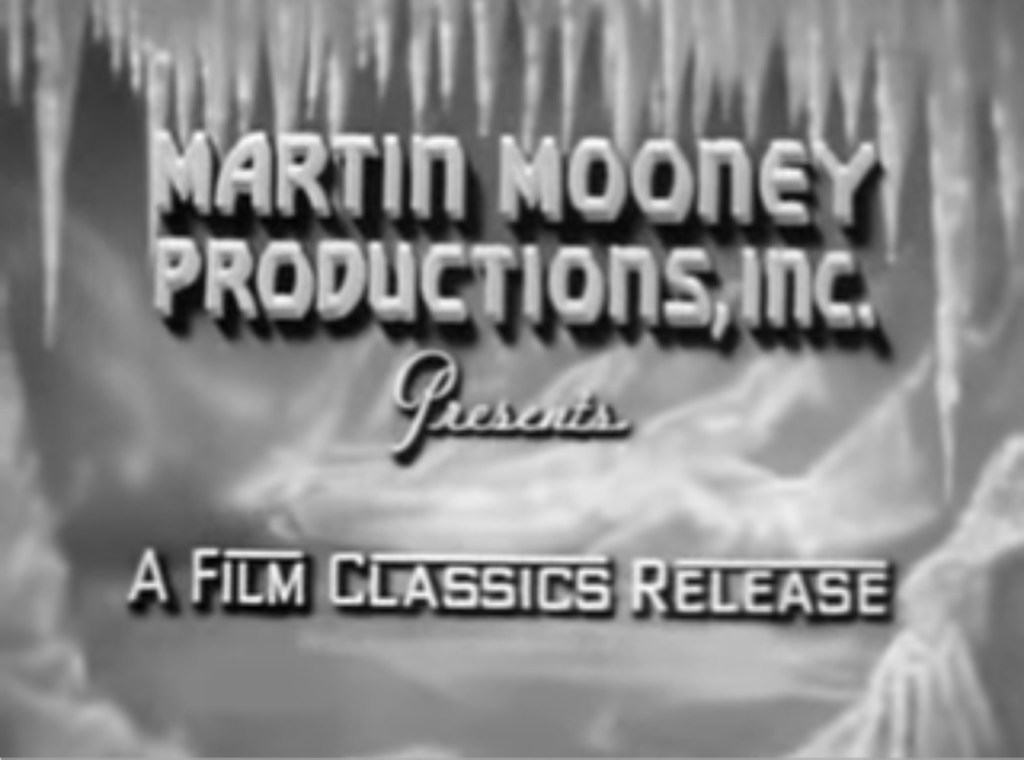
PRoduced by martin mooney productions, inc. for a film classics release

Screenplay by Kenneth Gamet

Starring robert paige and Leslie Brooks
Cinematography: George Robinson
Edited by W.L. Bagier & Jason H. Bernie
Music by Irving Gertz
Production Company: Martin Mooney Productions
Release date: July 24, 1948 (United States)
Running time: 74 minutes
Country: United States
Language: English
Rating:
Blonde Ice is a 1948 American crime noir, based on the 1938 novel Once Too Often by Elwyn Whitman Chambers. The story begins with Clair Cummings. She is a talented and ambitious columnist. Clair is on the verge of marrying Carl Henneman. Carl is a man of considerable wealth and influence. He resides in a stunning mansion that represents all the affluence she ever desired. This opulent setting serves as a backdrop for their seemingly perfect union. It is filled with lavish parties and high-society events. Clair dazzles attendees with her charm and intellect. Just after the ceremony, Clair unexpectedly encounters an old lover amid the glitz and glamour. This encounter ignites feelings she thought were long buried. This chance meeting stirs up memories of passion and longing, ultimately unraveling the facade of her perfect life. Despite her new marital status, Clair clearly tells her former flame that their connection is not over. She shows she is unwilling to sever ties with the past. This decision becomes more complicated with each passing moment. As they embark on their honeymoon, the emotional turmoil deepens. Clair clandestinely writes a heartfelt letter to her lover, Les Burns. She attempts to hide her true feelings from her husband. He unwittingly believes their relationship is intact. However, Carl soon discovers the letter. This leads to a confrontation that shatters the illusion of their perfect marriage. It brings to light the hidden fractures that had begun to form in their relationship. He decides to divorce her. He cites her betrayal as the catalyst for his decision. This discovery swiftly shifts the dynamic from love to betrayal. Faced with the harsh reality of her actions, Clair initially puts on a stoic front. She reveals only a casual indifference to the prospect of divorce. She believes she would easily receive half of his significant assets. Clair is convinced of her ability to maneuver through the legal minefield. Yet Carl counters her assumption. He explains that the letter would serve as undeniable proof of her infidelity. This evidence would leave her with nothing if the divorce proceeded. It strips away her illusions of control and security. With this revelation, the tension escalates dramatically. Clair finds herself caught in a whirlwind of emotions—love, regret, and the looming threat of losing everything. She fears losing everything she has come to value, including her social status and the life she envisioned. Thus she begins to plan. She weighs her options with a mix of desperation and determination. Clair contemplates the lengths she will go to protect her interests. The stakes rise higher than she ever imagined.
Pilot B. Talon is willing to fly her to San Francisco and back. She then asks Les to buy her an airline ticket and meet her in the airport. Claire asks him to drive her to Carl’s mansions so she can get some clothes. Upon arrival, Les discovers Carl’s lifeless body in the easy car and a gun laying on the carpet. Les quickly calls the authorities, although Leslie his newly wed wife seems unfazed. From the beginning the police suspect Claire but she has a strong alibi; she was in Los Angeles at the time with her plane ticket and Les to confirm this. Of course Les and Claire rekindle their love affair. However Stanley Mason, the attorney running for Congress who is handing Carl’s estate becomes her new lover all the while. Back at the police station, Les became their primary suspect. Les is beginning to realize there were a lot of holes in the story surrounding Carl’s supposed suicide and confronts Claire stating,
You’re not a normal woman. Youre not warm. You’re cold like ice. Yeah like ice-blonde, ice.
Claire then throws out Les and pilot Talon arrives demanding $50,000 for his silence, taking her necklace as the first installment. The very next evening, at dinner the couple is joined by psychologist, Dr. Kippinger who comments on Claire’s manipulative nature. The police eventually close Carl’s murder case due to a lack of evidence but pilot Talon continues to demand money so Claire shoots him.
When Stanley wins his election, he then announces that he will be marrying Claire. Les was at the celebration and hearing this decides to leave. Claire arrives at Les’ home telling her of her feelings for him and that she will always love him. Right in that moment Stanley walks in having heard everything, nothing she would be able to say to change his mind about the engagement now. Realizing this Claire stabs him, Les walks in right after with a knife making to easy to frame him as the killer. The police arrest Les but deep down feel that the true murderer is Claire. Dr. Kippinger confronts her at her office at the newspaper she works at and Claire calmly confesses to all the murders. She tries to shoot Kippinger but struggles with the gun fatally wounding herself. Coworkers look down at her body clinging to life then leave, Les leaving last stating that she wasn’t even that good of a reporter.
 Inside my weedbag online
Leave a comment